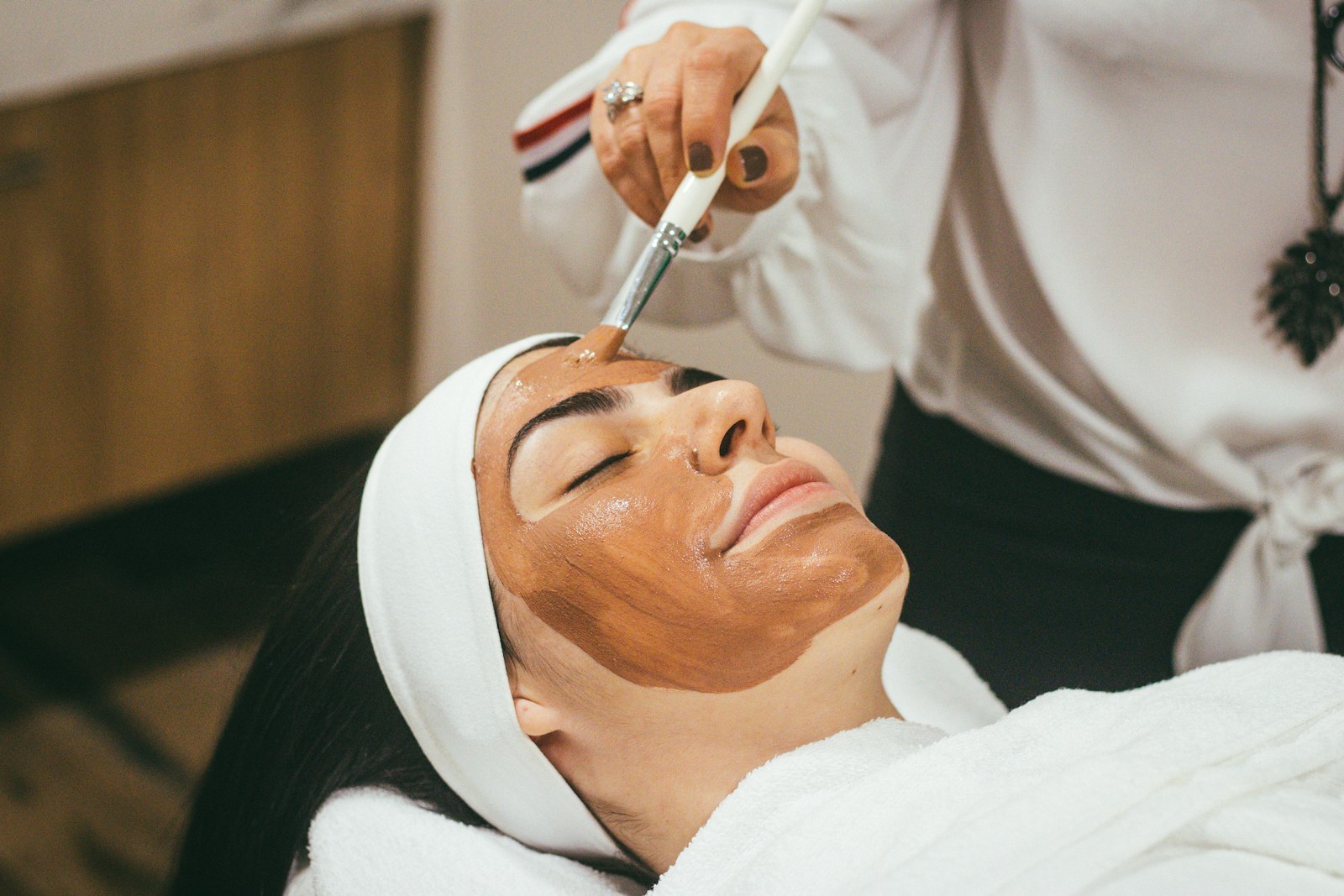
Med spas live and die on chair utilization. A booked chair with no patient in it isn't just lost revenue — it's a paid injector, a prepped room, a thawed neurotoxin vial, and a hole in the day that you can't backfill on 20 minutes' notice. And yet most med spas we talk to are running no-show rates between 12% and 25%, with some weekday slots — especially the first appointment after lunch and the last appointment of the day — hitting 30% or more.
If your average treatment ticket is $650 and you lose two appointments a day to no-shows across a five-day work week, that's roughly $338,000 in revenue you didn't capture this year. Most of it was preventable.
Here's the operational picture of why med spa no-shows happen, what the actual margin math looks like, and the small set of changes — most of them communication, not punishment — that move the number into single digits.
What "no-show" actually costs at a med spa
The headline cost is the empty chair, but the real damage compounds three ways.
First, the direct opportunity cost. A 60-minute Botox appointment that no-shows isn't replaceable on the day. You can't pull a same-day patient off the street for a $650 treatment the way a hair salon backfills a $40 cut. The slot is gone.
Second, the loaded labor cost. Your injector — whether a nurse practitioner at $55–$75 an hour or a physician at $150+ — was paid to be there. So was your front desk, your medical assistant, and the rent on the room. A 60-minute no-show at a fully staffed practice burns roughly $120–$180 in direct loaded labor cost before you count product loss.
Third, the inventory cost. If you reconstituted Botox or thawed a syringe of Restylane for that appointment and don't have a same-day rebooking, that's $200–$400 of product that either gets used on a lower-margin patient or wasted entirely. Compounded across a month, this is the line item that most owners under-track.
Put it together for a two-injector med spa doing 40 appointments a day at a 20% no-show rate:
- 8 no-shows per day × $650 average ticket = $5,200 daily revenue lost
- $120 average loaded labor cost per slot × 8 = $960 daily fixed cost burned
- $200 average product waste per missed cosmetic injectable × 4 (half the no-shows) = $800 daily product loss
- Daily margin damage: ~$6,960
- Annualized (250 working days): ~$1.74M
That's not a customer service problem. That's a P&L problem.
Why med spa no-show rates are structurally worse than dental
Med spa no-shows run higher than dental and primary care for reasons specific to the category, and understanding them is what determines which fixes actually work.
Med spa treatments are elective and discretionary. A patient with a toothache will show up to a dental appointment in a snowstorm. A patient who booked a hydrafacial three weeks ago, woke up with a stress headache, and is staring at a $200 charge for sixty minutes of "self-care" cancels at 9 a.m. and rationalizes it by lunch.
Booking windows are long. Most med spas book 2–4 weeks out for popular injectors, and longer for laser treatments that require pre-op skin prep. The longer the booking window, the higher the no-show rate — every study on this confirms it. By the time the appointment arrives, the patient's calendar has filled with three other commitments and the original motivation has cooled.
The patient base skews younger and more mobile. Med spa demographics — 28- to 45-year-old women, increasingly men — overlap heavily with people who text more than they talk, screen unknown numbers, and view email as low priority. A confirmation call from your front desk at 2 p.m. on Tuesday goes to voicemail. The reminder text gets read in line at Starbucks and forgotten by the time they get to their car.
Spanish-preference patients are over-represented in no-shows when communication is English-only. In Florida, Texas, California, and Arizona markets, this is significant. A patient who booked through English-speaking staff or an English-only online form often has the appointment misunderstood — wrong day, wrong injector, wrong copay expectation. The "no-show" is actually a communication failure that started at booking.
The five interventions that actually reduce no-show rates
After looking at the operational data from dozens of med spas, the pattern is consistent: the practices below 8% no-show rates aren't doing one heroic thing. They're doing five small things in combination.
1. Confirm in the patient's preferred channel, not yours
The biggest single lever is multi-channel confirmation. A practice that only calls leaves money on the table. A practice that only texts leaves a different pile on the table. A practice that confirms by text at booking, email 72 hours out, and SMS the morning of — with the patient able to confirm, reschedule, or cancel in one tap — sees no-show rates fall by 30–50%.
The mechanism is friction. If rescheduling requires calling during business hours and waiting on hold, patients won't reschedule — they'll no-show. If they can tap "reschedule" in a text and pick a new slot in 30 seconds, they'll do it. A rescheduled slot that you can backfill is worth roughly 7x a no-showed slot you can't.
2. Take a deposit on injectables and lasers
This is the single most uncomfortable change for owners who came up in a "the customer is always right" service mindset, but the data is unambiguous. Practices that take a $50–$100 non-refundable deposit on injectable and laser appointments — applied as credit toward the treatment — see no-show rates drop by 40–60%.
The deposit doesn't punish anyone. It changes the psychology of the booking. The slot is now real. The patient has committed something. If they cancel with 48 hours' notice, the deposit rolls to their next appointment. If they no-show, you've covered your loaded labor cost.
Frame the deposit as standard, not punitive. "We hold your appointment with a $75 deposit that applies to your treatment" is a sentence patients accept. "There's a no-show fee" is a sentence that loses bookings.
3. Capture after-hours bookings without staff
Half of your no-shows started as confused bookings. Patients who book at 9 p.m. on a Sunday — through your website form, through Instagram DM, or through a missed call to voicemail — often don't fully confirm the appointment in their head. They booked a "maybe." When the day comes, they treat it like a maybe.
A bilingual AI phone receptionist that answers after-hours calls, books the appointment in real time with a deposit captured, and sends a confirmation text immediately turns "maybe" bookings into firm bookings. Patients hear a calm voice, get a date and time confirmed verbally, and receive the text receipt before they hang up. That booking shows up at a 4–6% no-show rate, not 20%.
This is one of the highest-leverage operational changes a med spa can make, and it's invisible to most owners because they don't see the gap. If you don't know how many people called after 6 p.m. last week and never called back, you don't know what you're losing. See how it works for the operational picture.
4. Reach out personally to repeat no-shows
Roughly 7% of your patient base is responsible for 35% of your no-shows. They're not bad patients — they're patients with a specific friction (calendar chaos, kid pickups, work schedule) that nobody has named for them.
Pulling a list of patients with two or more no-shows in the past 12 months and having a front-desk lead call them — not to scold them, but to ask "we want to keep you with us, what time of day actually works for you?" — recovers most of them. The ones who can't be recovered politely become a "deposit required at booking" segment.
This costs an hour a month and is worth $20K–$40K in recovered revenue annually for a busy practice.
5. Track the metric weekly and tie it to a comp incentive
No-show rate is the easiest med spa metric to ignore because it shows up as "nothing happened" on the schedule rather than as a line on a P&L. Practices that track it weekly, share the number with the team, and tie a small monthly bonus to staying under 10% will see staff begin proactively confirming the at-risk appointments — the booking made three weeks out, the first-time patient, the early-morning slot.
You can't manage what you don't measure, and most med spas don't measure no-show rate at all. The ones that do, fix it.
What "good" looks like
Practices that work the five interventions above land in this range:
- No-show rate: 5–8% overall, under 4% for deposit-secured injectables
- Same-day rebooking rate on cancellations: 35–50%
- After-hours call capture: 90%+ booked vs. 0% on voicemail
- Confirmation response rate: 75%+ within 4 hours
If you're outside those ranges, the question isn't whether you can improve — it's which of the five levers is missing.
The pricing reality
A bilingual AI phone receptionist that handles booking, deposit capture, confirmation, and rescheduling runs $400/month for phone only, $450/month for phone plus web chat, or $100/month for chat only — with a one-time setup of $2,500 to $3,000 depending on integrations. Setup takes about five days. Most med spas recover the cost in the first three weeks of recovered no-shows. Full numbers are on the pricing page.
A 30-day money-back guarantee means you can run the math with your real volume and your real no-show rate before you've fully committed.
The bottom line for owners
No-shows aren't a customer service problem and they're not a patient quality problem. They're an operations problem with five known interventions and a clear ROI math. The practices winning in 2026 aren't the ones with the prettiest waiting rooms — they're the ones quietly running 6% no-show rates while their competitors run 22%.
If you want to see how a bilingual AI receptionist handles after-hours booking, deposit capture, and confirmation flows for a real med spa, you can call our live demo line at (954) 475-6922 and book a fake appointment as if you were a patient. That's the fastest way to see whether it would work for your practice.
A booked chair with a patient in it is the whole business. Everything else is overhead.